
Species guide · New Jersey
Bluefin tuna off New Jersey
Bluefin tuna show off New Jersey from late spring through fall, with school and medium fish on the mid-shelf lumps and ridges from about June, and larger fish possible later in the year. Every boat fishing for Atlantic tunas needs a federal HMS permit, and bluefin landings must be reported.
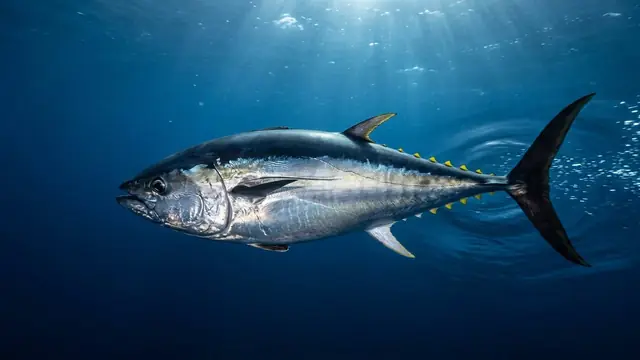
Quick facts
- Also called
- Bluefin, BFT, school fish, giants
- Peak
- June to July; fall
- Range
- Inshore lumps to the canyons
- Permit
- Federal HMS permit required
Bluefin tuna by month
- January: Some
- February: Rare
- March: Rare
- April: Rare
- May: Some
- June: Peak
- July: Peak
- August: Good
- September: Good
- October: Good
- November: Good
- December: Some
A general guide for the Jersey coast, not a forecast. Open seasons are set separately.
When are bluefin tuna off New Jersey?
Bluefin usually arrive on the mid-shelf grounds in late May or June as the water warms through the 60s. School and medium fish feed on sand eels, squid and butterfish on the lumps and ridges through early summer. Some fish stay through the fall, and in recent years larger bluefin have been found in late fall and early winter. Each season is different: the fish follow bait and temperature, not the calendar.
Where do you find bluefin tuna?
On the lumps, ridges and sloughs of the continental shelf between the beach and the canyons, and along temperature breaks where warm and cool water meet. Some of the best-known grounds are 15 to 40 miles out; others are at the canyons, a much longer run.
The signs are the same everywhere: bait on the sounder, birds working, whales feeding and a temperature or colour change on the satellite shot.
How do you catch bluefin tuna?
Tackle has to match the fish: bluefin of every size pull hard, and a fish fought too long on light gear may not survive release.
- Trolling spreader bars, daisy chains and ballyhoo around the bait and temperature edges.
- Jigging and casting when fish are marked under bait or feeding on top.
- Chunking butterfish at anchor or on the drift, day or night.
When is it safe to run offshore for tuna?
Tuna trips are long runs in open water, so the whole day's window matters. Check the marine forecast and the buoys for wind, sea height and period, think about the ride home as the wind builds in the afternoon, and file a float plan with someone ashore before you leave.
What are the bluefin tuna regulations in New Jersey?
Seasons, size limits and bag limits for bluefin tuna are set every year and can change mid-season, so Inlet does not print them here. Check the current rules with NJ Fish & Wildlife before every trip, and with NOAA Fisheries when you fish federal waters beyond three miles.
Bluefin are federally managed. Every vessel fishing recreationally for Atlantic tunas needs a NOAA HMS permit, and recreational bluefin landings must be reported to NOAA. Size categories and retention limits change during the season.
Most anglers fishing New Jersey's marine waters must also register with the free NJ Saltwater Recreational Registry every year; the registry lists who is exempt.
Common questions
Do I need a permit to fish for tuna off New Jersey?
Yes. Any vessel fishing recreationally for Atlantic tunas, including bluefin and yellowfin, needs a federal HMS permit from NOAA. Bluefin landings must also be reported.
How far offshore are bluefin tuna in New Jersey?
It varies by year and month. School fish are often on lumps and ridges 15 to 40 miles out in early summer; at other times they're at the canyons, much further out.
What is the best month for bluefin tuna in New Jersey?
June and July are usually the most consistent for school and medium bluefin, with a second chance in the fall. Bait and water temperature decide it each year.