
Species guide · New Jersey
Fluke (summer flounder) in New Jersey
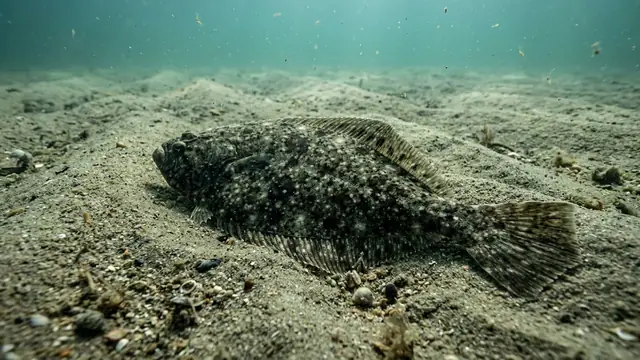
Fluke (summer flounder) fish best in New Jersey from late spring through September: early in the season in the back bays and inlets, then on ocean reefs, wrecks and lumps as summer goes on. Drifting a bucktail with a strip bait or soft plastic along the bottom is the standard approach.
Quick facts
- Also called
- Summer flounder, doormat (big ones)
- Peak
- June to August
- Water temp
- Feeding well from the upper 50s °F up
- Where
- Bays and inlets early; ocean structure later
Fluke by month
- January: Rare
- February: Rare
- March: Rare
- April: Some
- May: Good
- June: Peak
- July: Peak
- August: Peak
- September: Good
- October: Some
- November: Rare
- December: Rare
A general guide for the Jersey coast, not a forecast. Open seasons are set separately.
When is fluke season in New Jersey?
Fluke move inshore from the edge of the continental shelf in spring and leave again in the fall. New Jersey sets an open season for keeping them every year, usually running from late spring to late summer; check the dates with NJ Fish & Wildlife.
Early in the season the fish are in the back bays and inlets, where shallow water warms first. Through July and August, many of the bigger fish settle on ocean structure in deeper water. By September the fish start feeding up on their way back offshore, and the ocean reefs can be at their best.
Where are the best places to fish for fluke in New Jersey?
Inside: channel edges, drop-offs and holes in Barnegat Bay, Great Bay, Raritan Bay, the Shark and Manasquan rivers, and the channels behind Cape May and Wildwood.
Outside: the state's artificial reef sites and natural lumps and ridges, from the Sea Girt and Shark River reefs off Monmouth County to the Barnegat Light, Garden State, Atlantic City and Cape May reef sites further south. The edges of structure and the sand around it hold more fish than the middle of it.
How do you catch fluke?
Fluke are ambush feeders lying on the bottom, so the bait has to stay on or just off the sand and keep moving.
- Bucktail jigs dressed with a strip of squid, mackerel or fluke belly, or a soft-plastic grub, worked with steady lifts as the boat drifts.
- A teaser hook above the bucktail with a second bait or soft plastic.
- Live killies, spearing or squid on a fluke rig in the bays.
- Heavy enough weight to hold bottom: tide and wind set the drift, and a bait that lifts off the bottom stops getting bit.
What drift and tide are best for fluke?
A steady drift of roughly one knot covers ground without pulling the bait off the bottom. Wind and tide moving together give a clean drift; wind against tide often stalls the boat or swings it sideways.
In the bays, the moving tide around the change is usually best. On the ocean, clear water and a moving drift beat a dead calm.
What are the fluke regulations in New Jersey?
Seasons, size limits and bag limits for fluke are set every year and can change mid-season, so Inlet does not print them here. Check the current rules with NJ Fish & Wildlife before every trip, and with NOAA Fisheries when you fish federal waters beyond three miles.
Most anglers fishing New Jersey's marine waters must also register with the free NJ Saltwater Recreational Registry every year; the registry lists who is exempt.
Common questions
What month is best for fluke in New Jersey?
July and August are the most consistent months, with June strong in the bays and September often best for big fish on the ocean reefs. Open season dates change every year; check NJ Fish & Wildlife.
What is the best bait for fluke?
A bucktail tipped with a strip of squid, mackerel or fluke belly, or with a scented soft plastic, is the most reliable. Live killies and spearing work well in the bays.
Are fluke and summer flounder the same fish?
Yes. Fluke is the common name in New Jersey and New York for summer flounder, Paralichthys dentatus.